
Mobile Truck Repair in Houston, TX
Houston moves more tonnage than any other port in the United States, and the entire metro is organized around getting that freight to and from the water. Port Houston's Barbours Cut and Bayport container terminals sit at the head of a 52-mile ship channel lined with the largest petrochemical complex in the Western Hemisphere, and every barrel, container, and chemical rail car generates truck traffic that fills the region's freeways day and night. Add the energy-corridor logistics on the west side and the sprawling distribution parks along Beltway 8, and Greater Houston becomes a nonstop machine for heavy commercial vehicles. When a rig goes down in that flow, the downstream delay reaches from the dock to the drayage yard to the warehouse.
- Region
- Greater Houston
- County
- Harris County
- Population
- 2,300,000
- Dispatch
- 24/7/365
Repair that comes to Houston.
Interstate Fleet Services provides 24/7 on-site mobile truck and trailer repair across Greater Houston, rolling asset-based service trucks and a nationwide partner network to your breakdown, roadside, dock, or yard. Our technicians work the corridors that define this metro — the SH-225 petrochemical belt into the Ship Channel, the I-10 East industrial corridor, the drayage-heavy roads feeding Barbours Cut and Bayport, and the Beltway 8 and Grand Parkway loops that ring the distribution parks. We handle diesel engine failures, tire blowouts, air brake faults, reefer breakdowns, DPF and DEF derates, and fifth-wheel problems on-site, without a tow.
Our Houston coverage spans the full metro, from the energy corridor on the far west to the port terminals and refineries on the east side, and from The Woodlands down to the drayage yards near Pasadena and Deer Park. Whether your tractor overheats hauling a container off Barbours Cut, your tanker develops a brake fault on SH-225, or your reefer quits at a cold-storage dock along the North Loop, IFS sends a qualified technician with the parts to fix it where it sits. No dealership tow, no lost shift — and because we are backed by a nationwide partner network, no one stays stranded on the Gulf Coast.
Houston freight runs on port cutoffs, refinery turnaround schedules, and drayage appointment windows that leave no slack for a broken truck. A disabled container chassis blocking a terminal gate at Barbours Cut, a tanker stalled on SH-225 in the middle of the petrochemical corridor, or a reefer down at a Ship Channel cold-storage dock creates an immediate bottleneck — and often in a location where towing a loaded, hazmat, or oversize unit is slow, expensive, or restricted. The metro is enormous, and dealership bays are far from the working waterfront. Interstate Fleet Services eliminates the tow by dispatching certified mobile technicians in fully stocked trucks directly to the breakdown, whether that is roadside on I-10, inside a secured port or refinery yard, or at a drayage lot in Pasadena. For fleets tied to the nation's number-one tonnage port, on-site repair keeps the containers and the chemicals moving.
Corridors we run
Where we work
- Port Houston — Barbours Cut Container Terminal (La Porte)
- Port Houston — Bayport Container Terminal (Seabrook / Pasadena)
- Houston Ship Channel petrochemical complex (SH-225 corridor)
- Pasadena / Deer Park drayage and chemical distribution district
- I-10 East industrial corridor (Channelview / Baytown)
- Energy Corridor logistics (West Houston / I-10 West)
- North Loop / Airline Drive cold-storage and distribution belt
- Bush Intercontinental (IAH) air-cargo district
- Northwest Houston / US-290 distribution parks
- Bayport Industrial District
The city we're rolling in.
Greater Houston is anchored by Port Houston, the busiest U.S. port by total tonnage and the largest container port on the Gulf Coast, and the road network exists to feed it. I-10 runs east-west across the entire metro, connecting the port and Ship Channel industry eastward to Louisiana and westward to San Antonio, while I-45 links Houston north to Dallas and south to Galveston. I-69, following the old US-59 route, carries freight northeast toward Texarkana and southwest toward the Rio Grande Valley and the Laredo trade lane. Two beltways — Beltway 8 (the Sam Houston Tollway) and the outer Grand Parkway (SH-99) — ring the metro and organize its distribution parks. The Port Terminal Railroad Association switches container and chemical traffic to BNSF and Union Pacific, both of which offer on-dock intermodal service at Bayport, moving boxes inland to Dallas, El Paso, and the West Coast. State highways SH-225 and SH-146 form the spine of the petrochemical complex along the Ship Channel, and George Bush Intercontinental Airport (IAH) adds one of the region's larger air-cargo operations on the north side.
Houston is the most populous city in the U.S. state of Texas and the Southern United States. It is the fourth-most populous city in the United States, with a population of 2.3 million at the 2020 census. The Greater Houston metropolitan area, at 7.8 million residents, is the fifth-most populous metropolitan area in the nation and second-most populous in Texas. Located in Southeast Texas near Galveston Bay and the Gulf of Mexico, Houston is the county seat of Harris County. Covering a total area of 640.4 square miles (1,659 km2), it is the ninth largest city in the country and the largest whose municipal government is not consolidated with a county, parish, or borough. Although primarily located within Harris County, portions of the city extend into Fort Bend and Montgomery counties. Houston also functions as the southeastern anchor of the Texas Triangle megaregion.
Everything we do, right here.
24/7 Mobile Emergency Road Service
One call, any hour. Our asset-based trucks roll to you roadside, at the dock, or in the yard — and our partner vendor network stands behind them so no one stays stranded.
Learn moreMobile Truck Repair
Diesel diagnostics and repair brought to your truck — engine, electrical, air, brakes, and the breakdowns that strand a load.
Learn moreMobile Trailer Repair
Keep the box rolling. We handle lights, brakes, landing gear, doors, and structural fixes wherever the trailer sits.
Learn moreCommercial Tire Service
Blowouts don't wait. Mobile commercial tire replacement and repair for tractors and trailers, day or night.
Learn moreTransport Refrigeration (Reefer)
Protect the load. Mobile reefer diagnostics and repair to hold temperature and keep perishable freight compliant.
Learn moreFleet Preventive Maintenance
Stop breakdowns before they start. Scheduled mobile PM service and DOT inspections that keep your whole fleet road-legal and rolling — on your yard, on your timetable.
Learn moreWhat we fix most in Houston.
- Mobile diesel engine diagnostics and on-site repair
- Commercial tire service — roadside blowouts and demounts
- Air brake system repair and chamber replacement
- Transport refrigeration (reefer) repair for Gulf cold-chain loads
- DPF cleaning, DEF/SCR repair, and derate recovery
- Fifth-wheel, kingpin, and container chassis repair
- Trailer and tanker electrical, ABS, and lighting repair
Why this market never stops.
Greater Houston is anchored by Port Houston, the busiest U.S. port by total tonnage and the largest container port on the Gulf Coast, and the road network exists to feed it. I-10 runs east-west across the entire metro, connecting the port and Ship Channel industry eastward to Louisiana and westward to San Antonio, while I-45 links Houston north to Dallas and south to Galveston. I-69, following the old US-59 route, carries freight northeast toward Texarkana and southwest toward the Rio Grande Valley and the Laredo trade lane. Two beltways — Beltway 8 (the Sam Houston Tollway) and the outer Grand Parkway (SH-99) — ring the metro and organize its distribution parks. The Port Terminal Railroad Association switches container and chemical traffic to BNSF and Union Pacific, both of which offer on-dock intermodal service at Bayport, moving boxes inland to Dallas, El Paso, and the West Coast. State highways SH-225 and SH-146 form the spine of the petrochemical complex along the Ship Channel, and George Bush Intercontinental Airport (IAH) adds one of the region's larger air-cargo operations on the north side.
Houston, TX& the surrounding area.
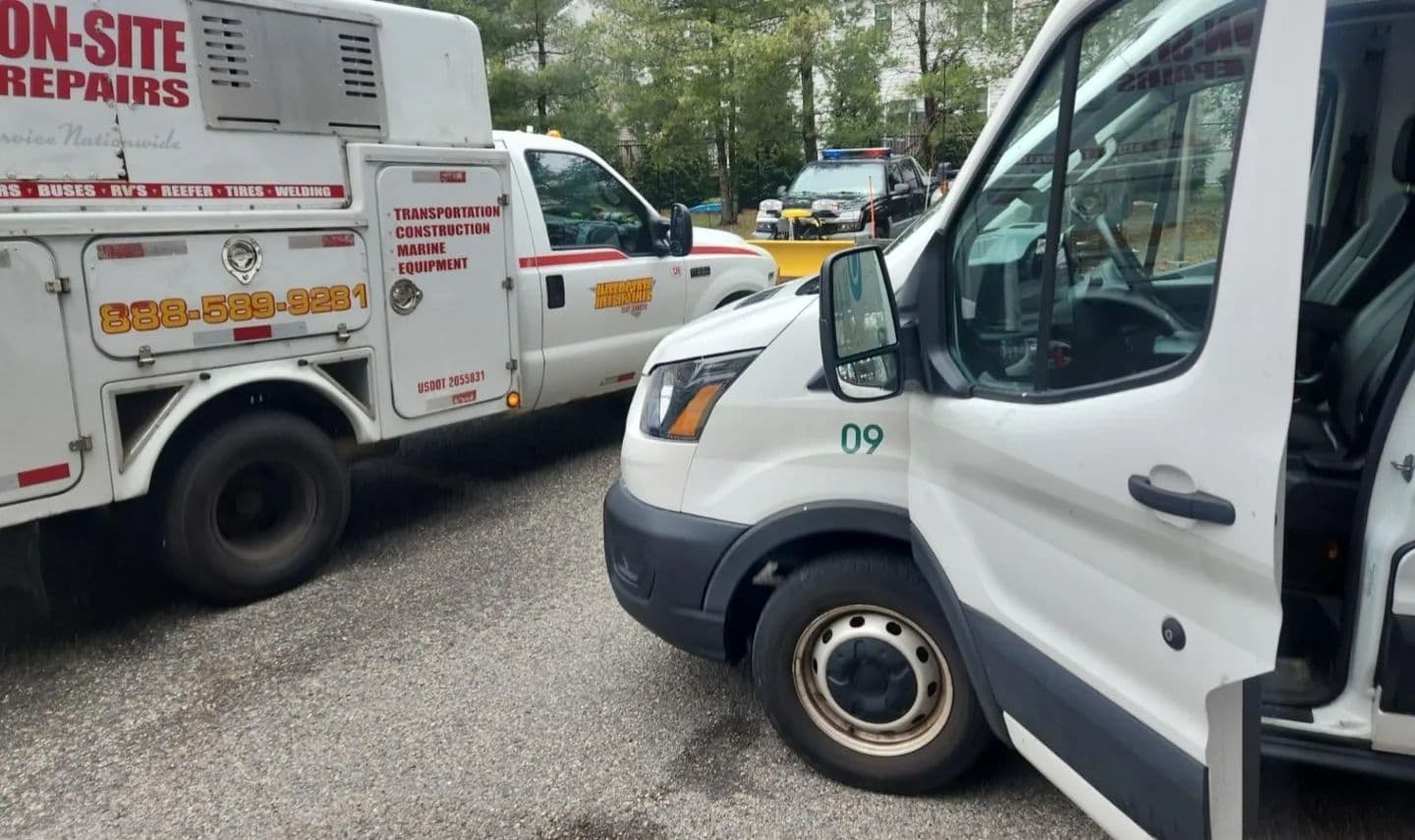
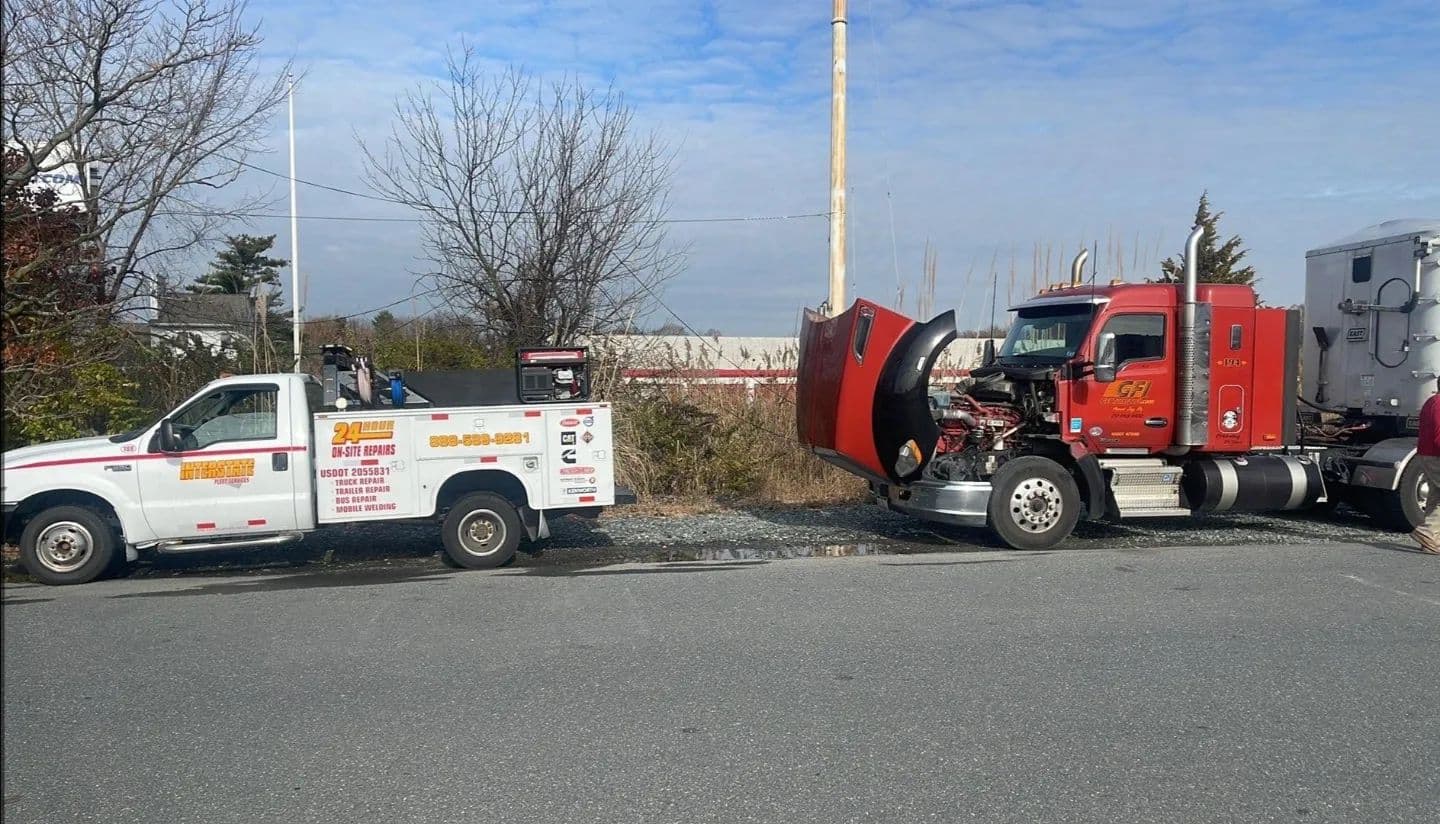
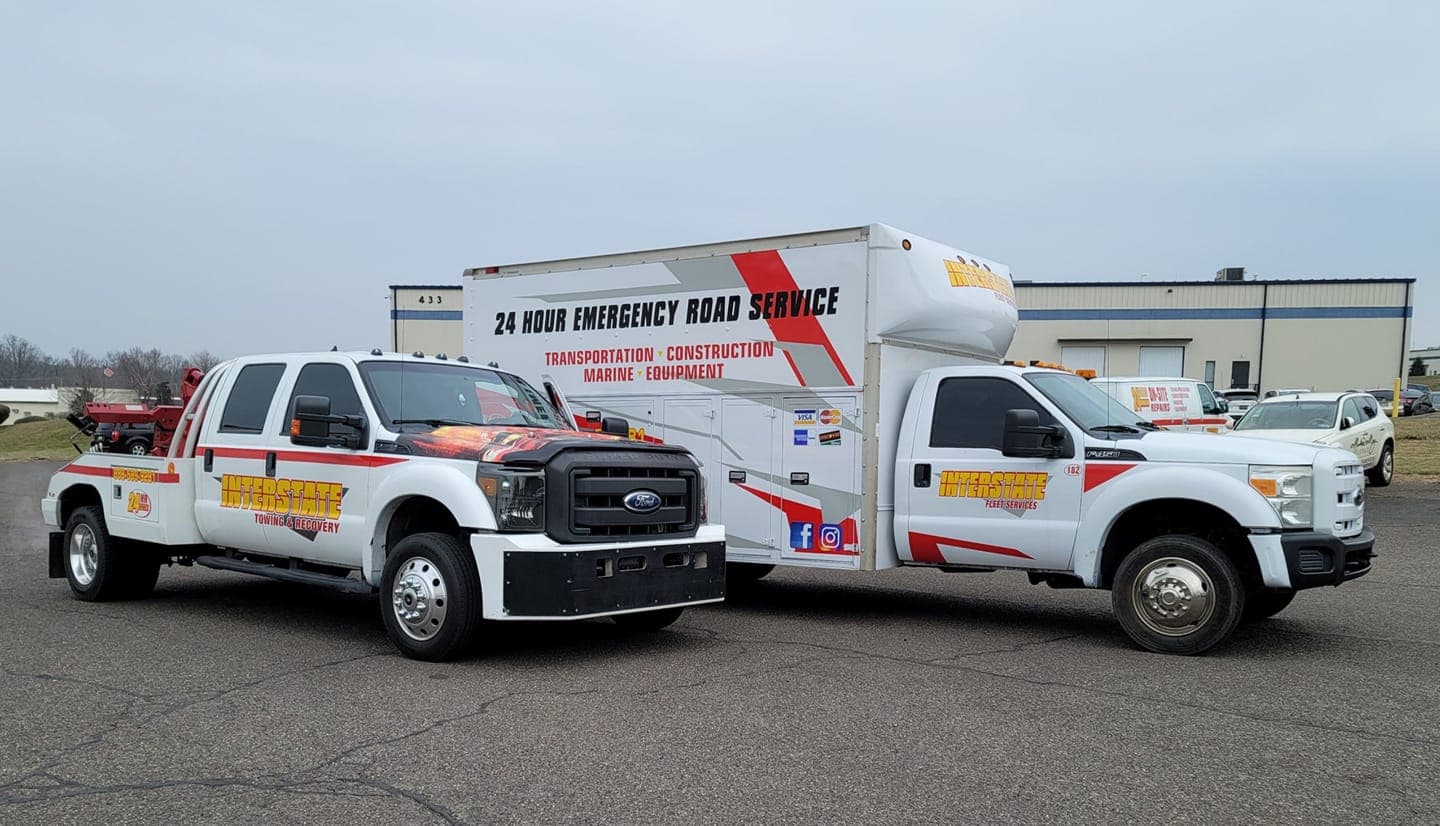
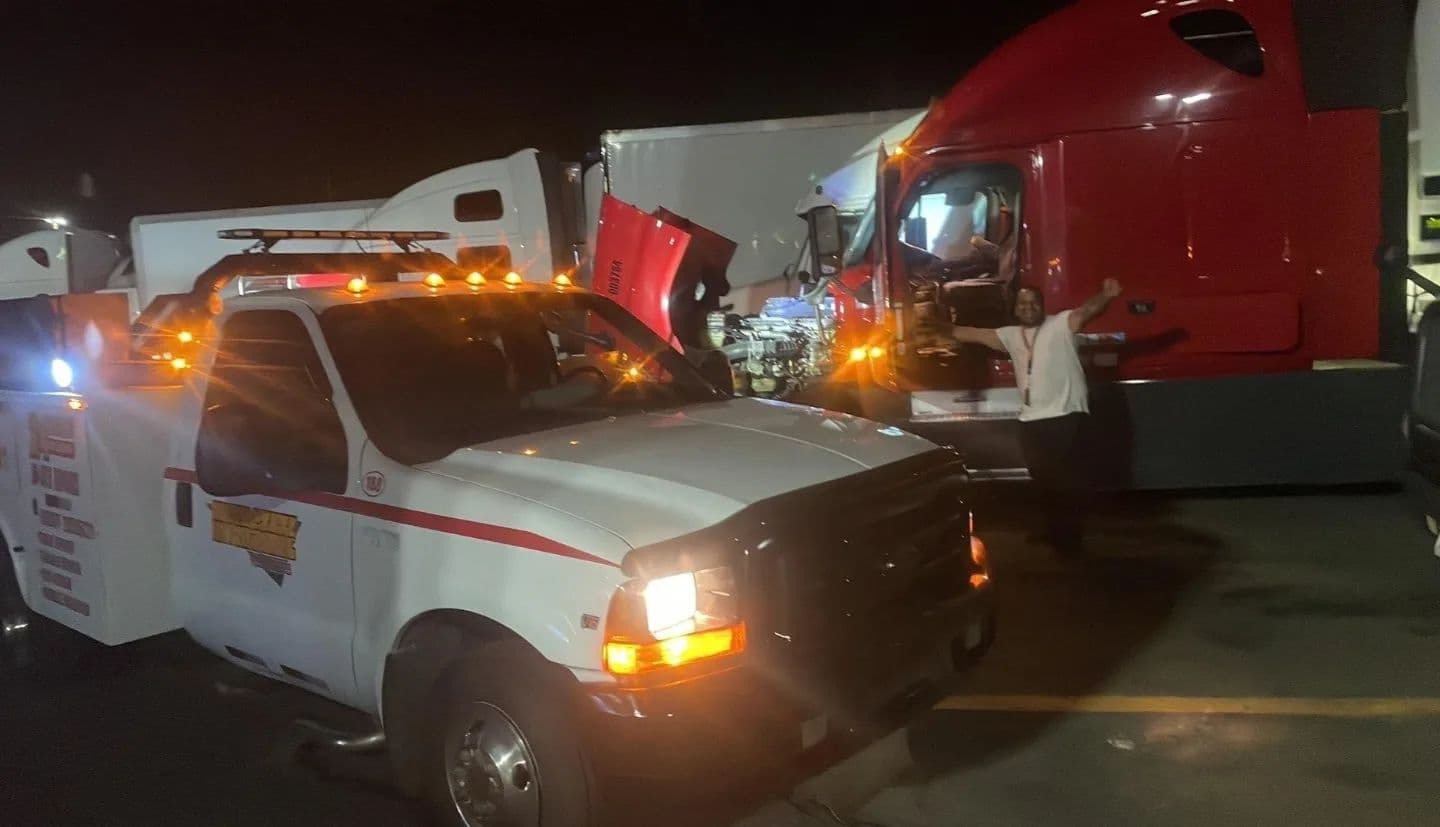
Our trucks. Our techs. In Houston.
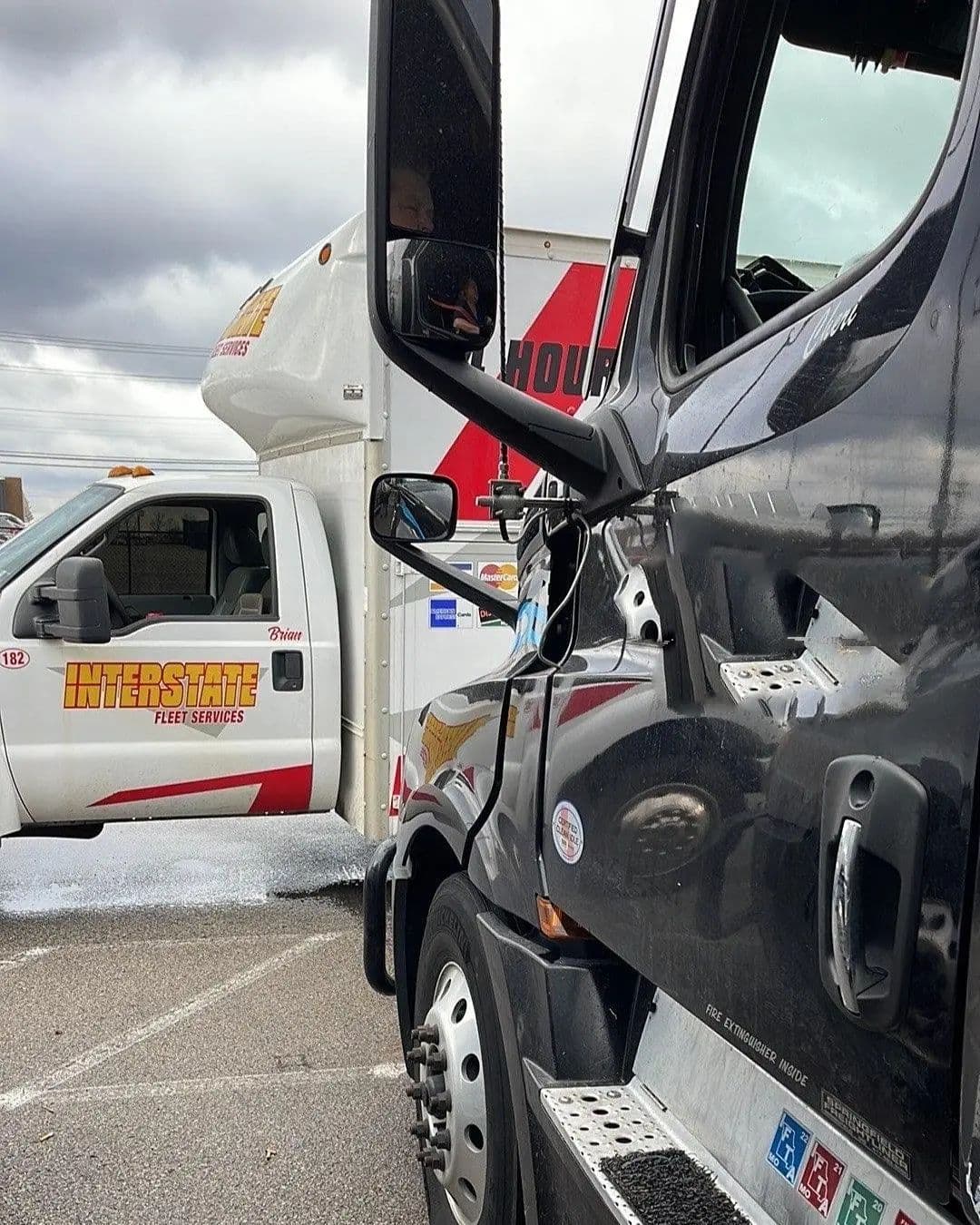
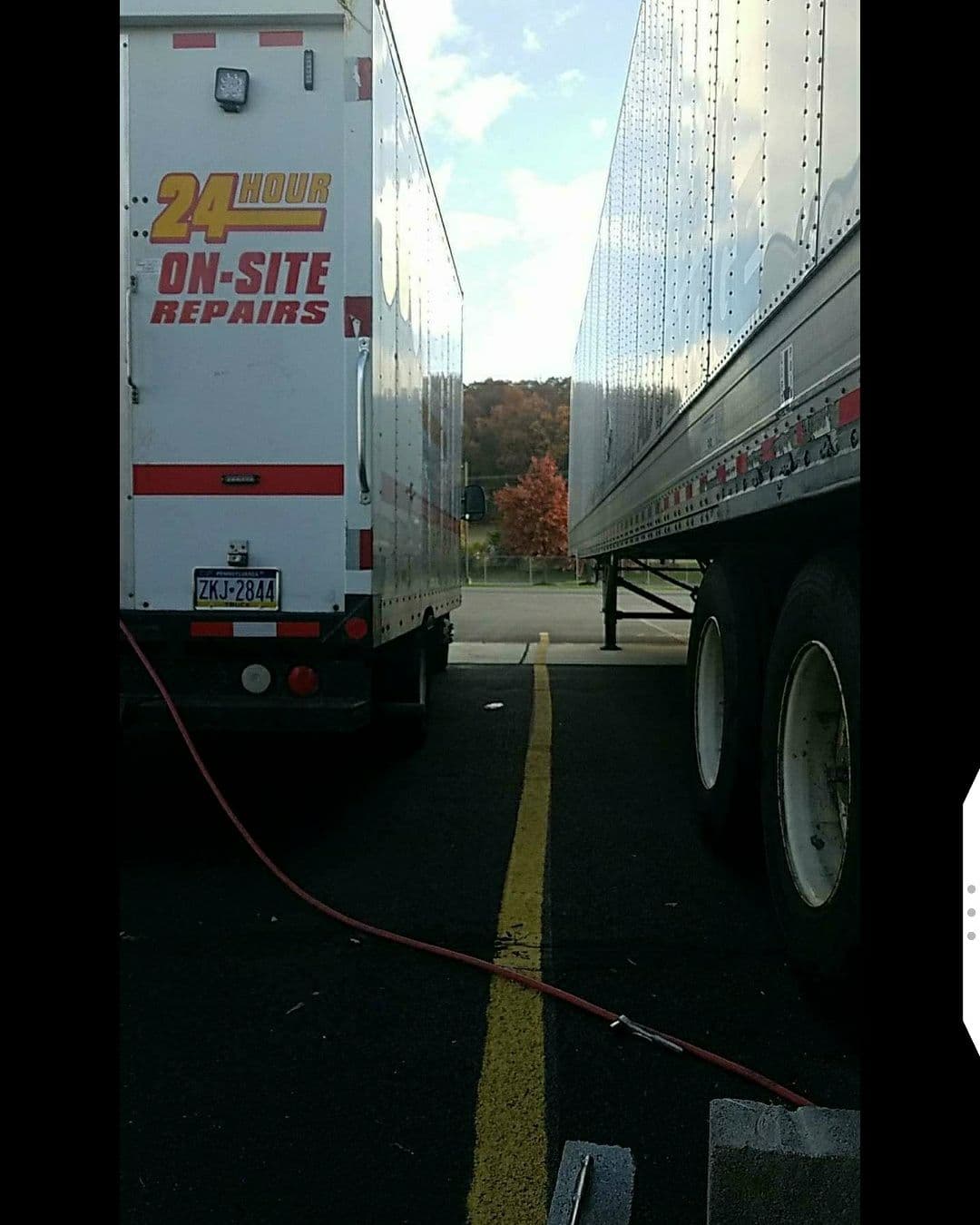
100% asset-based — real Interstate Fleet Services units and technicians rolling to your breakdown, not a referral hotline.
Down in Houston, TX? Call now.
Tell our dispatcher what the truck is doing and we'll get the nearest tech rolling — 24/7.
Can IFS reach a drayage truck stuck at Barbours Cut or Bayport container terminal?
Yes. The Barbours Cut and Bayport terminals and the drayage roads feeding them are central to our Houston coverage. Our service trucks are commercial vehicles built for port and industrial access, and we can coordinate terminal gate and TWIC-area entry while the technician heads your way. Call 1-888-589-9281 with your location and any terminal check-in requirements — we operate 24/7 and will route the closest available technician.
My rig broke down on SH-225 in the Ship Channel petrochemical corridor — will IFS come out there?
Absolutely. SH-225 and the surrounding Ship Channel refinery and chemical district are a regular response zone for us, and our technicians understand the access and safety realities of working that corridor. Whether it is a brake fault, a blown tire, or an engine derate on a tanker, call 1-888-589-9281 with your location and we will dispatch a mobile unit right away.
Does IFS handle reefer breakdowns at Houston cold-storage facilities?
Reefer repair is one of our core services, and Gulf Coast cold-chain loads are exactly the kind of temperature-sensitive freight we prioritize. We carry refrigerant, belts, electrical diagnostics, and common ThermoKing and Carrier Transicold parts on the truck. If your unit alarms at a North Loop or Ship Channel cold-storage dock, call 1-888-589-9281 immediately and we will send a reefer-certified technician before your load is compromised.
How wide is IFS's Houston coverage — does it reach the energy corridor and the outer suburbs?
We cover Greater Houston as one market, from the Energy Corridor on the far west along I-10 to the port terminals on the east, and out to the Grand Parkway suburbs north and south. The metro is large, so exact ETA depends on your location and traffic, but we staff for around-the-clock response across all of it. Call 1-888-589-9281 and dispatch will give you a realistic ETA from the nearest technician.
Why choose IFS's asset-based service over calling a random Houston mobile mechanic?
Because we operate our own service trucks and employ our own technicians, every unit that reaches your breakdown is a trained IFS tech accountable for the work — not a stranger of unknown quality dispatched off a board. That matters on a working waterfront where the wrong fix costs a port appointment. And because we are backed by a nationwide partner network, no one stays stranded even when call volume spikes across the metro. Call 1-888-589-9281 any time — we are here 24/7/365.