Mobile Truck Repair in Seattle, WA
Seattle is the northern anchor of the Pacific Northwest's container trade and the closest major U.S. gateway to Asia by sailing time. Its marine terminals operate jointly with Tacoma under the Northwest Seaport Alliance, together forming the fourth-largest container gateway in North America and a critical intake point for trans-Pacific cargo. The city's freight rhythm is set by that gateway — drayage tractors working the harbor, intermodal trains building out of the SODO rail yards, and a warehouse corridor to the south that consumes the containers as fast as they land.
- Region
- Greater Seattle
- County
- King County
- Population
- 750,000
- Dispatch
- 24/7/365
Repair that comes to Seattle.
Interstate Fleet Services covers the Greater Seattle market with asset-based mobile service trucks and a nationwide partner network, reaching the breakdown wherever it strands a truck — an I-5 shoulder through the city, a container rig down at a Harbor Island terminal, or a reefer faulting at a Kent Valley cold-storage dock. Our technicians handle diesel diagnostics, air brakes, tires, reefer units, and trailer electrical faults on-site, because forcing a tow through Seattle's chronic congestion turns a short repair into a lost day.
South of downtown, the SODO and Duwamish industrial districts and the Kent Valley warehouse belt make up one of the densest distribution clusters on the West Coast, feeding regional retail, aerospace, and e-commerce fulfillment. Add Sea-Tac's air-cargo traffic and the trucks never stop moving. One call to 1-888-589-9281 puts a technician on the way 24 hours a day, 7 days a week, 365 days a year.
Seattle's freight moves through hard geographic pinch points — Harbor Island, the SODO rail approaches, and an I-5 corridor that jams for much of the day — so a disabled truck doesn't just delay its own load, it snarls the lane behind it. A missed rail cut-off at the SIG yard or a reefer failing in the Kent Valley cold chain has real downstream cost, and towing through this congestion is slow and expensive. Interstate Fleet Services dispatches a mobile technician straight to the unit with diesel diagnostics, air brake parts, reefer tooling, and common tires to clear most failures on the first visit, backed by a nationwide partner network so no truck stays stranded on the shoulder.
Corridors we run
Where we work
- Port of Seattle (Terminal 5, Terminal 18, Harbor Island)
- SODO industrial district
- BNSF Seattle International Gateway (SIG) & Stacy Street Yard
- UP Argo Yard (South Seattle)
- Duwamish / Georgetown industrial area
- Kent Valley warehouse corridor (Kent, Auburn, Renton)
- Tukwila / SR-167 distribution belt
- Sea-Tac International Airport air-cargo area
The city we're rolling in.
Seattle's freight network runs on containers, rail, and a warehouse valley to the south. Under the Northwest Seaport Alliance, the Ports of Seattle and Tacoma handle well over 3 million TEUs a year, with Seattle's Terminal 5, Terminal 18, and Harbor Island facilities feeding drayage straight onto I-5, I-90, and SR-99. BNSF's Seattle International Gateway (SIG) yard and Stacy Street facility in SODO and Union Pacific's Argo Yard just to the south are the intermodal engines that build eastbound trains over the Northern Transcon and toward Chicago. I-5 is the north-south spine tying Seattle to Tacoma and the Kent Valley, I-90 climbs east over Snoqualmie Pass toward Spokane, I-405 loops the Eastside, and SR-99, SR-509, and SR-518 distribute harbor and airport traffic locally. The Kent Valley — Kent, Auburn, Renton, and Tukwila along SR-167 — is one of the largest contiguous warehouse and distribution corridors in the country, and Seattle-Tacoma International Airport adds significant air cargo to a system that stays busy on I-5 and I-405 around the clock.
Seattle is the most populous city in the U.S. state of Washington and the Pacific Northwest region of North America. It is the 18th-most populous city in the United States with a population of 784,777 in 2025, while the Seattle metropolitan area at over 4.15 million residents is the 15th-most populous metropolitan area in the nation. The city is the county seat of King County, the most populous county in Washington. Seattle's growth rate of 21.1% between 2010 and 2020 made it one of the country's fastest-growing large cities.
Everything we do, right here.
24/7 Mobile Emergency Road Service
One call, any hour. Our asset-based trucks roll to you roadside, at the dock, or in the yard — and our partner vendor network stands behind them so no one stays stranded.
Learn moreMobile Truck Repair
Diesel diagnostics and repair brought to your truck — engine, electrical, air, brakes, and the breakdowns that strand a load.
Learn moreMobile Trailer Repair
Keep the box rolling. We handle lights, brakes, landing gear, doors, and structural fixes wherever the trailer sits.
Learn moreCommercial Tire Service
Blowouts don't wait. Mobile commercial tire replacement and repair for tractors and trailers, day or night.
Learn moreTransport Refrigeration (Reefer)
Protect the load. Mobile reefer diagnostics and repair to hold temperature and keep perishable freight compliant.
Learn moreFleet Preventive Maintenance
Stop breakdowns before they start. Scheduled mobile PM service and DOT inspections that keep your whole fleet road-legal and rolling — on your yard, on your timetable.
Learn moreWhat we fix most in Seattle.
- Mobile diesel diagnostics and on-site engine repair (Cummins, Detroit, PACCAR)
- Commercial tire service — blowout response and steer, drive, and trailer mounting
- Transport refrigeration (reefer) diagnostics and repair for Kent Valley cold chain
- Air brake repair — chambers, slack adjusters, and airline service
- DPF, DEF, and emissions fault clearing and forced regeneration
- Fifth-wheel and kingpin service for container chassis and tractors
- Trailer electrical, landing-gear, and lighting/ABS repair
Why this market never stops.
Seattle's freight network runs on containers, rail, and a warehouse valley to the south. Under the Northwest Seaport Alliance, the Ports of Seattle and Tacoma handle well over 3 million TEUs a year, with Seattle's Terminal 5, Terminal 18, and Harbor Island facilities feeding drayage straight onto I-5, I-90, and SR-99. BNSF's Seattle International Gateway (SIG) yard and Stacy Street facility in SODO and Union Pacific's Argo Yard just to the south are the intermodal engines that build eastbound trains over the Northern Transcon and toward Chicago. I-5 is the north-south spine tying Seattle to Tacoma and the Kent Valley, I-90 climbs east over Snoqualmie Pass toward Spokane, I-405 loops the Eastside, and SR-99, SR-509, and SR-518 distribute harbor and airport traffic locally. The Kent Valley — Kent, Auburn, Renton, and Tukwila along SR-167 — is one of the largest contiguous warehouse and distribution corridors in the country, and Seattle-Tacoma International Airport adds significant air cargo to a system that stays busy on I-5 and I-405 around the clock.
Seattle, WA& the surrounding area.
Our trucks. Our techs. In Seattle.
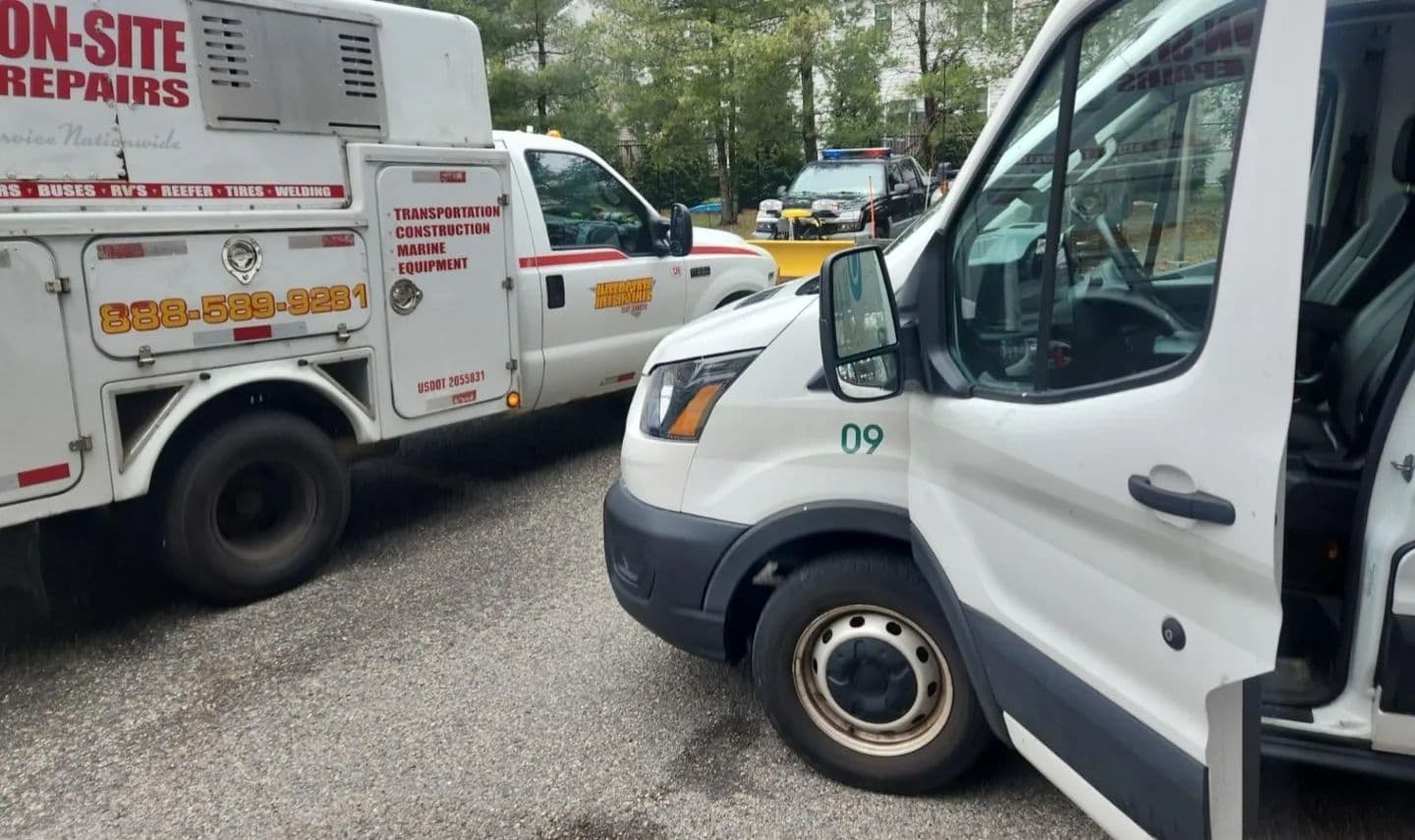
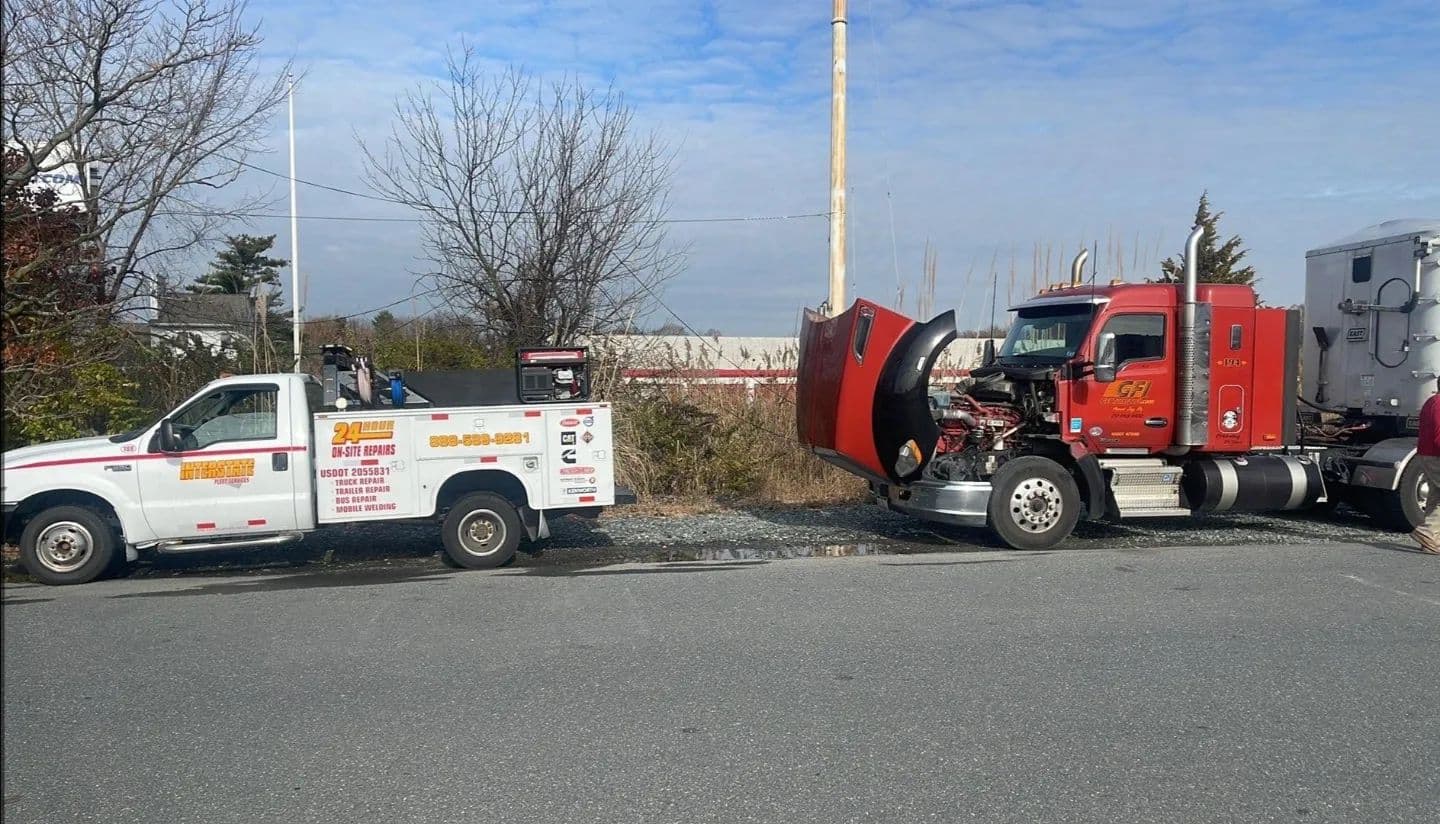
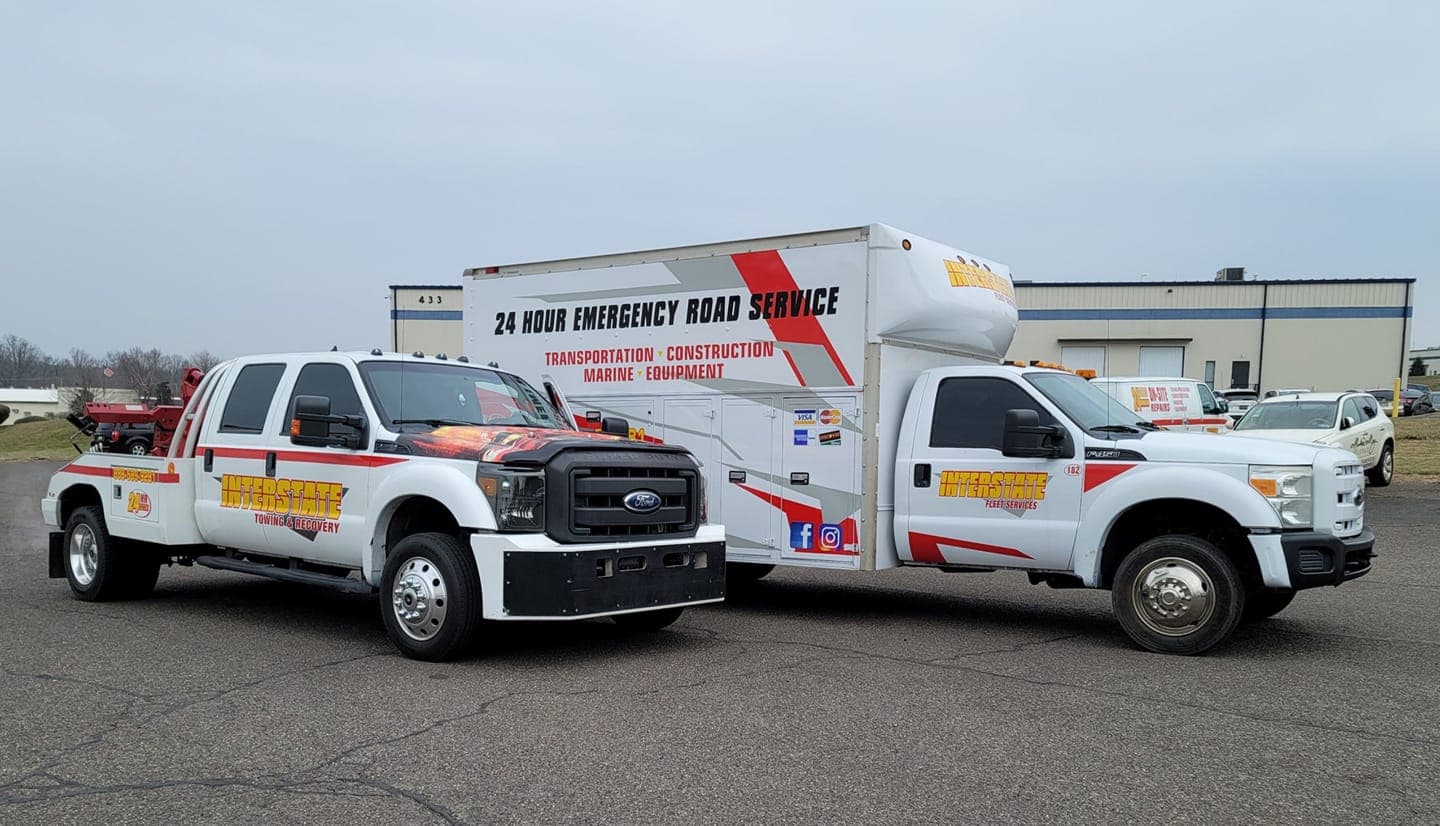
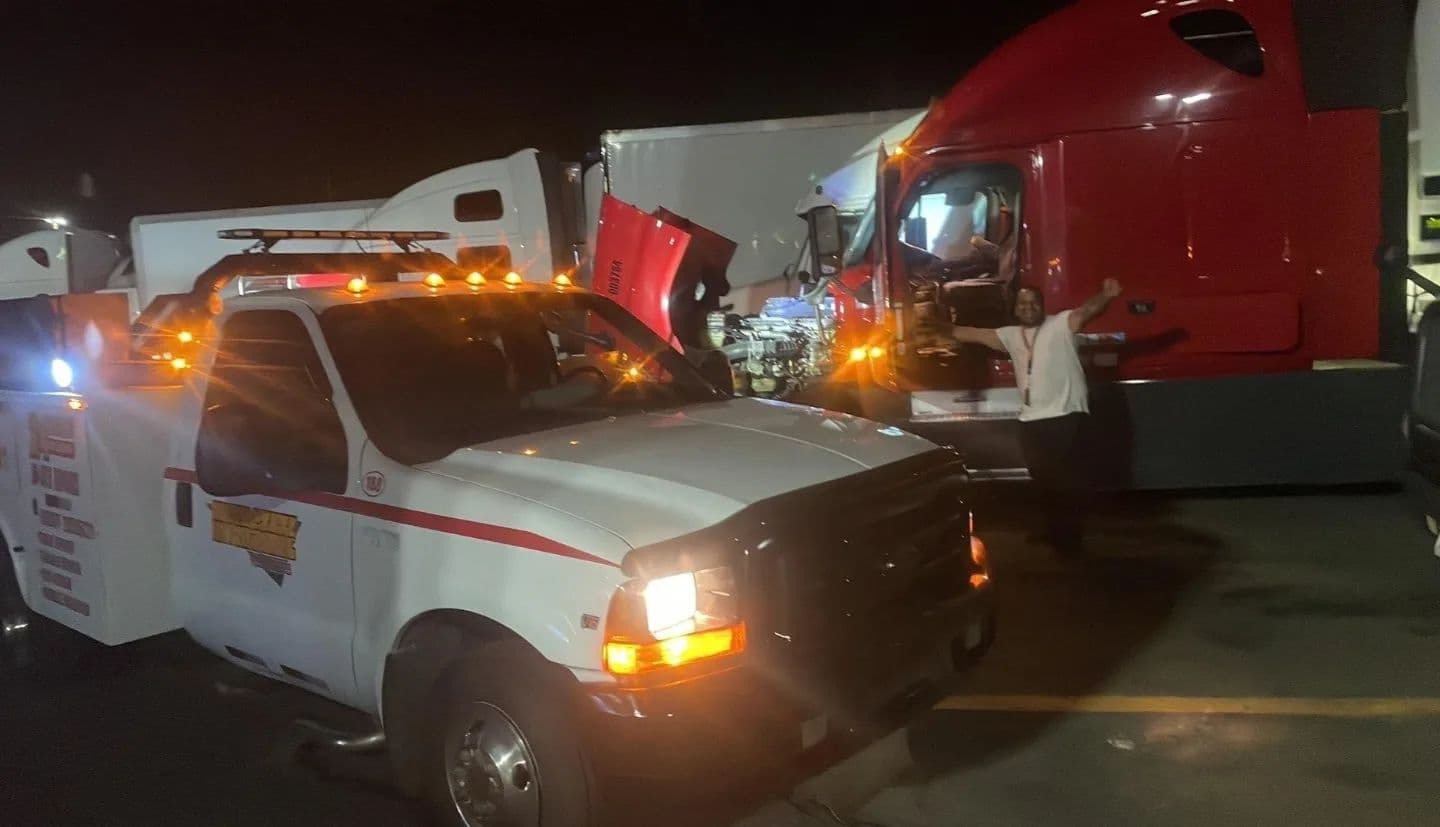
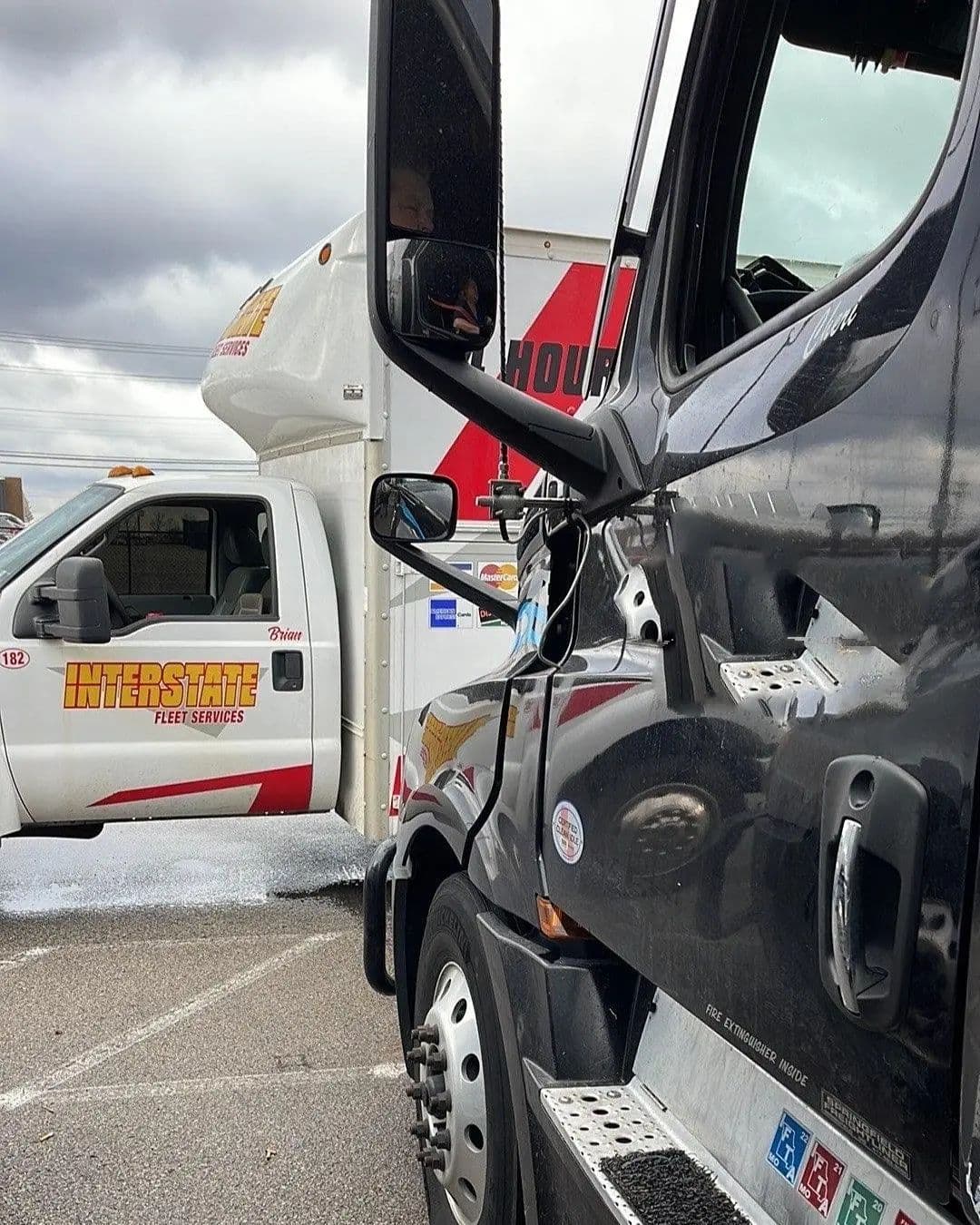
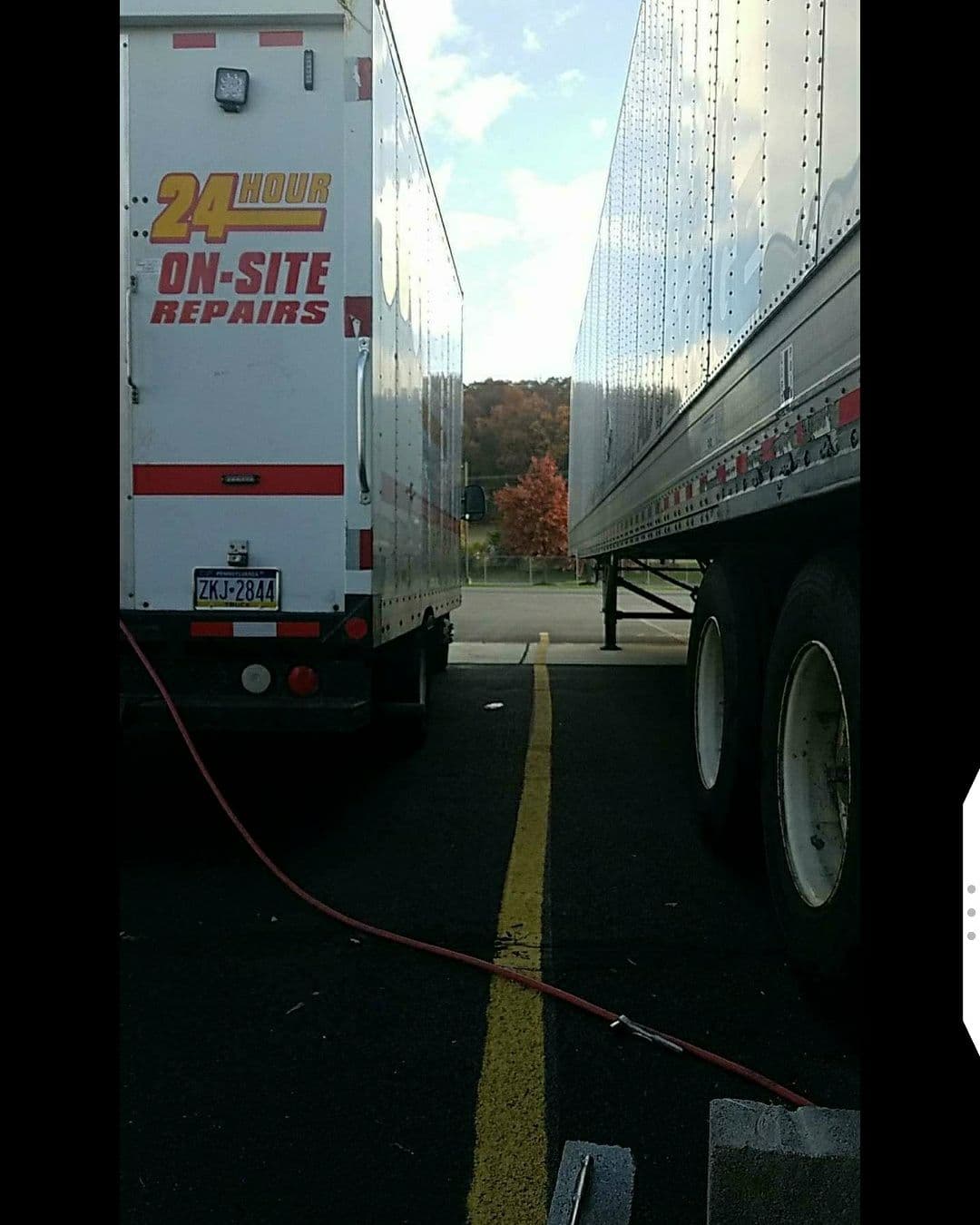
100% asset-based — real Interstate Fleet Services units and technicians rolling to your breakdown, not a referral hotline.
Down in Seattle, WA? Call now.
Tell our dispatcher what the truck is doing and we'll get the nearest tech rolling — 24/7.
Does IFS respond to breakdowns at the Seattle harbor terminals and SODO rail yards?
Yes. Terminal 5, Terminal 18, Harbor Island, and the SODO rail approaches around the SIG and Argo yards are core coverage for our Seattle service area. A missed rail cut-off cascades quickly, so call 1-888-589-9281 any time for priority dispatch.
Can IFS reach a reefer breakdown in the Kent Valley warehouse corridor?
Yes. The Kent, Auburn, and Renton distribution belt along SR-167 is one of our busiest Seattle-area coverage zones, and transport refrigeration is a core service. We diagnose reefer faults on-site to protect the load — call 1-888-589-9281.
Do you cover I-5 and I-90 breakdowns through the Seattle area?
Yes. We dispatch to the I-5 spine through the city and south to Tacoma, the I-90 climb toward Snoqualmie, and the I-405 Eastside loop. Give dispatch your freeway, direction, and nearest exit and we will route the closest technician — 1-888-589-9281.
What are IFS response hours across Greater Seattle?
Interstate Fleet Services runs 24 hours a day, 7 days a week, 365 days a year across the Seattle metro, including the overnight and weekend windows when the harbor and rail yards stay active. Reach live dispatch at 1-888-589-9281.
Does IFS tow trucks in Seattle, or repair them on-site?
We repair on-site. Our asset-based mobile units carry diesel diagnostics, air brake and reefer parts, emissions tooling, and common tires to clear most failures where the truck sits — a real advantage in Seattle's congestion — backed by a nationwide partner network so no one stays stranded. Call 1-888-589-9281.